
.
Introduction
Sabut garam masale are an essential part of traditional Indian cooking. These aromatic whole spices add a rich fragrance, delicious flavor, and authentic touch to everyday dishes. From biryani and pulao to curries, dal, vegetables, and masala chai, sabut garam masale can transform simple recipes into flavorful meals.
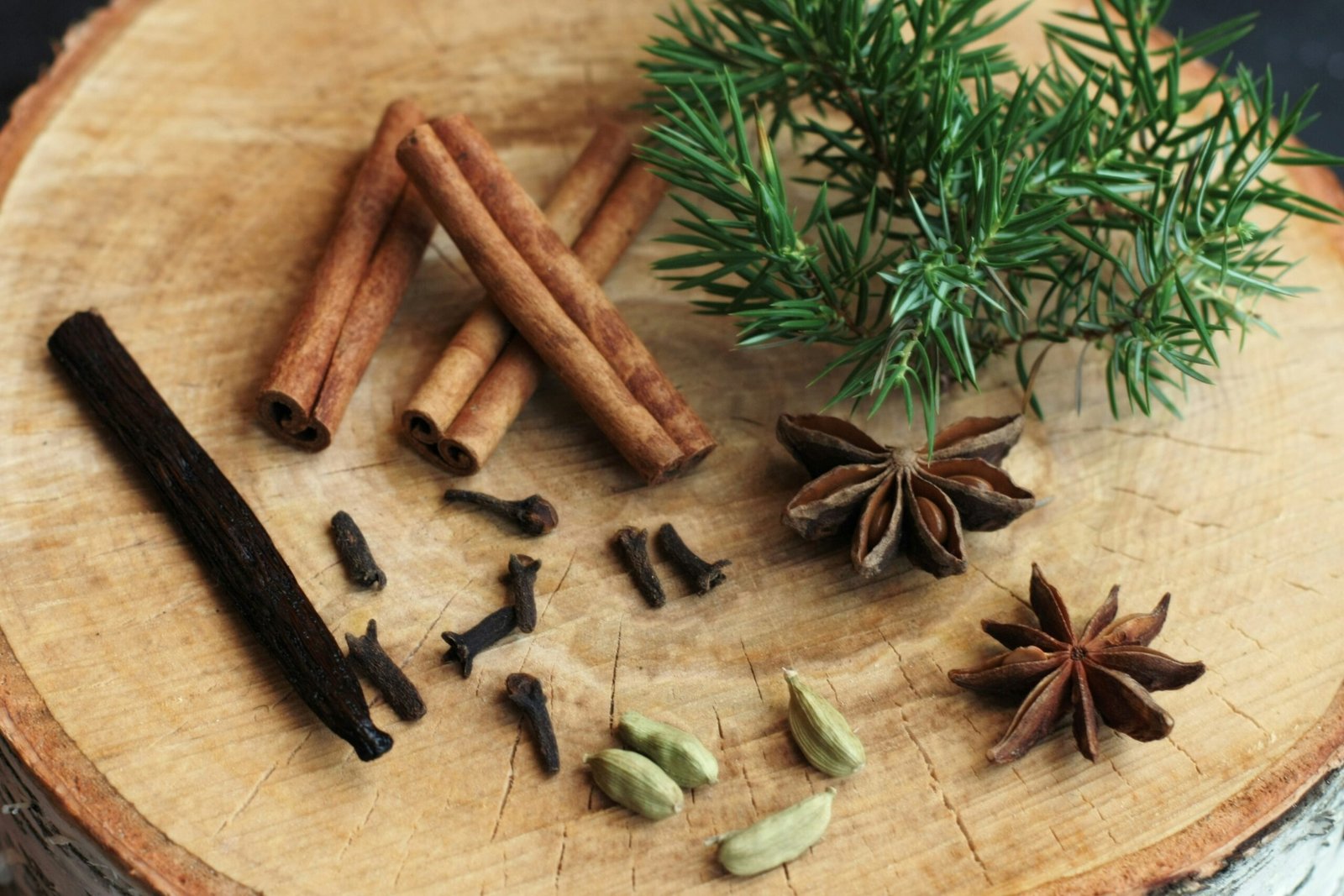
Unlike powdered spices, whole spices are generally added directly to hot oil or ghee, allowing their natural aroma and flavor to develop during cooking. Common sabut garam masale include cinnamon, cloves, cardamom, black pepper, bay leaf, cumin, and star anise.
Whether you are an experienced cook or just starting your kitchen journey, understanding how to use and store sabut garam masale can help you prepare more aromatic and delicious Indian dishes.
Table of Contents
What Are Sabut Garam Masale?
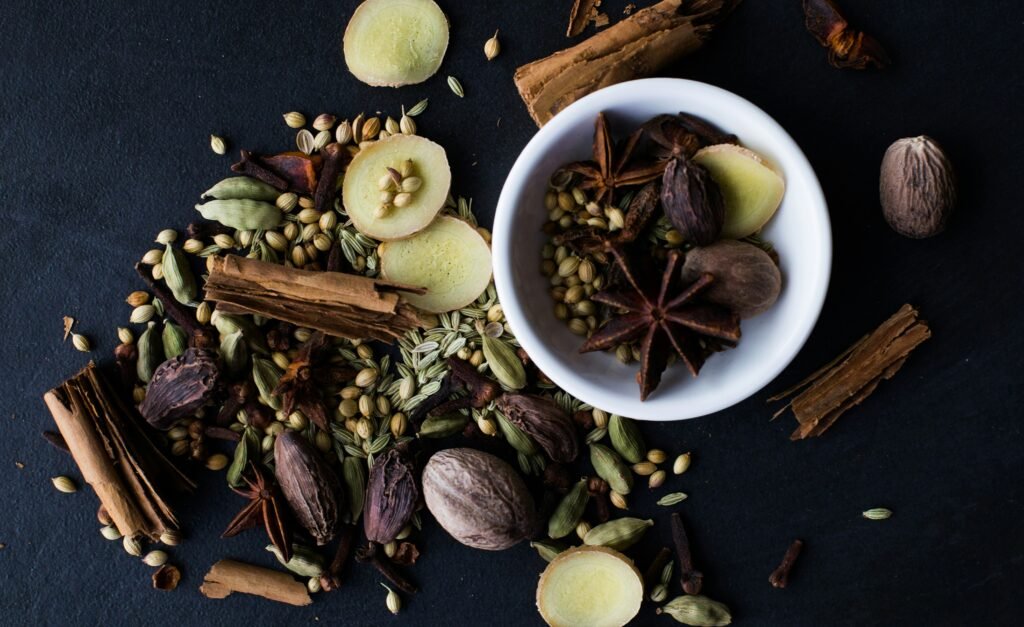
Sabut garam masale means whole spices that are commonly used together in Indian cuisine. The word “sabut” means whole, while “garam masala” refers to a combination of aromatic spices.
Common whole spices include:
- Black pepper
- Green cardamom
- Black cardamom
- Cinnamon
- Cloves
- Bay leaves
- Cumin seeds
- Coriander seeds
- Star anise
- Fennel seeds
- Mace
- Nutmeg
The exact combination can vary according to the recipe, region, and personal preference.
Whole spices are often added to hot oil or ghee at the beginning of cooking. This process, commonly called tempering, helps release their aroma and flavor into the cooking oil.
Why Are Sabut Garam Masale Popular in Indian Cooking?
India has a long tradition of using whole spices in everyday food. Before modern spice-processing methods became common, people traditionally purchased whole spices and ground them at home whenever needed.
There are several reasons why sabut garam masale remain popular today.
1. Rich Aroma
Whole spices release a strong and pleasant fragrance when heated. Adding cinnamon, cloves, cardamom, or bay leaf to hot oil can immediately create an inviting aroma in the kitchen.
2. Deep Flavor
Whole spices release their flavor gradually during cooking. This can give dishes a more layered taste compared with simply adding powdered spices.
3. Versatile Use
Sabut garam masale can be used in many dishes, including rice recipes, curries, vegetables, lentils, soups, and beverages.
4. Traditional Cooking Experience
Using whole spices connects modern cooking with traditional Indian culinary practices. Many regional recipes depend on specific combinations of whole spices for their characteristic taste.
10 Common Sabut Garam Masale You Should Know
1. Black Pepper
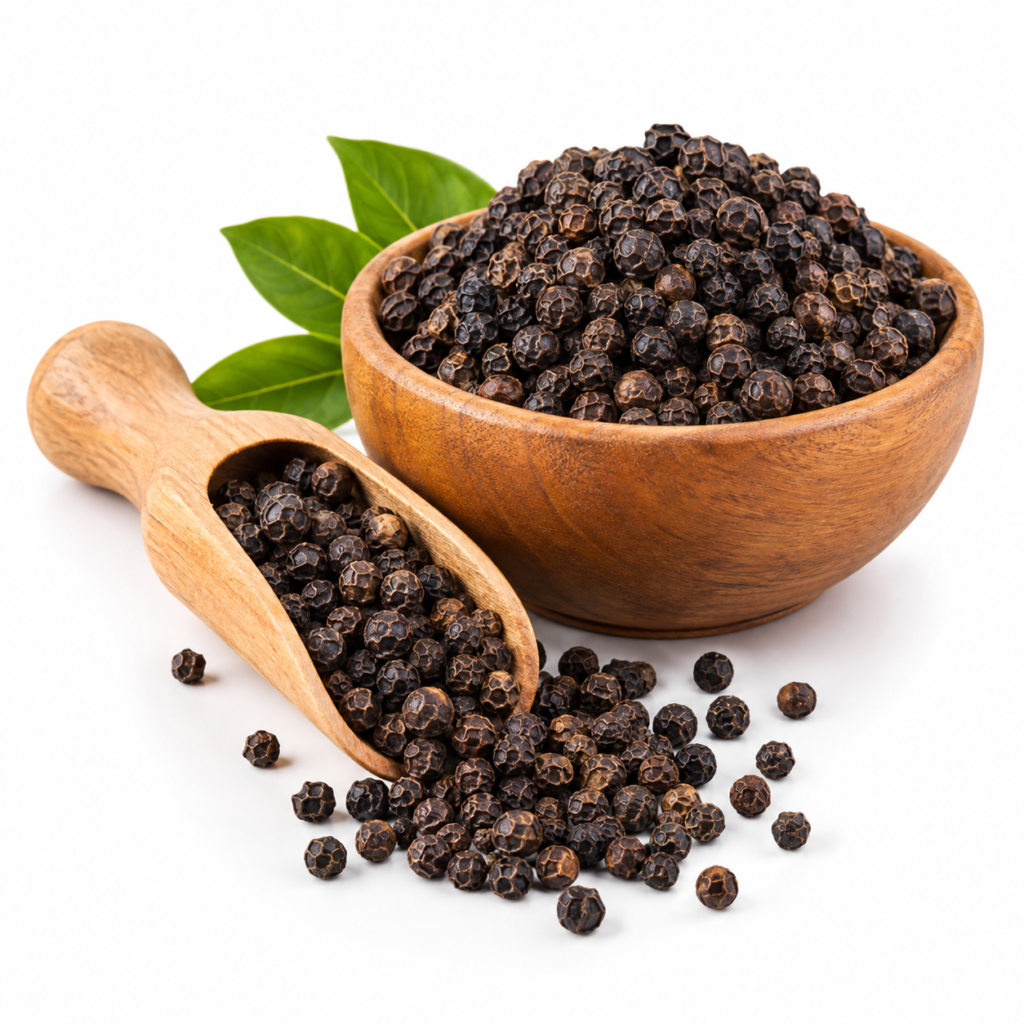
Black pepper has a sharp, warm, and slightly spicy flavor. It is commonly used in curries, pulao, soups, marinades, and spice blends.
2. Green Cardamom
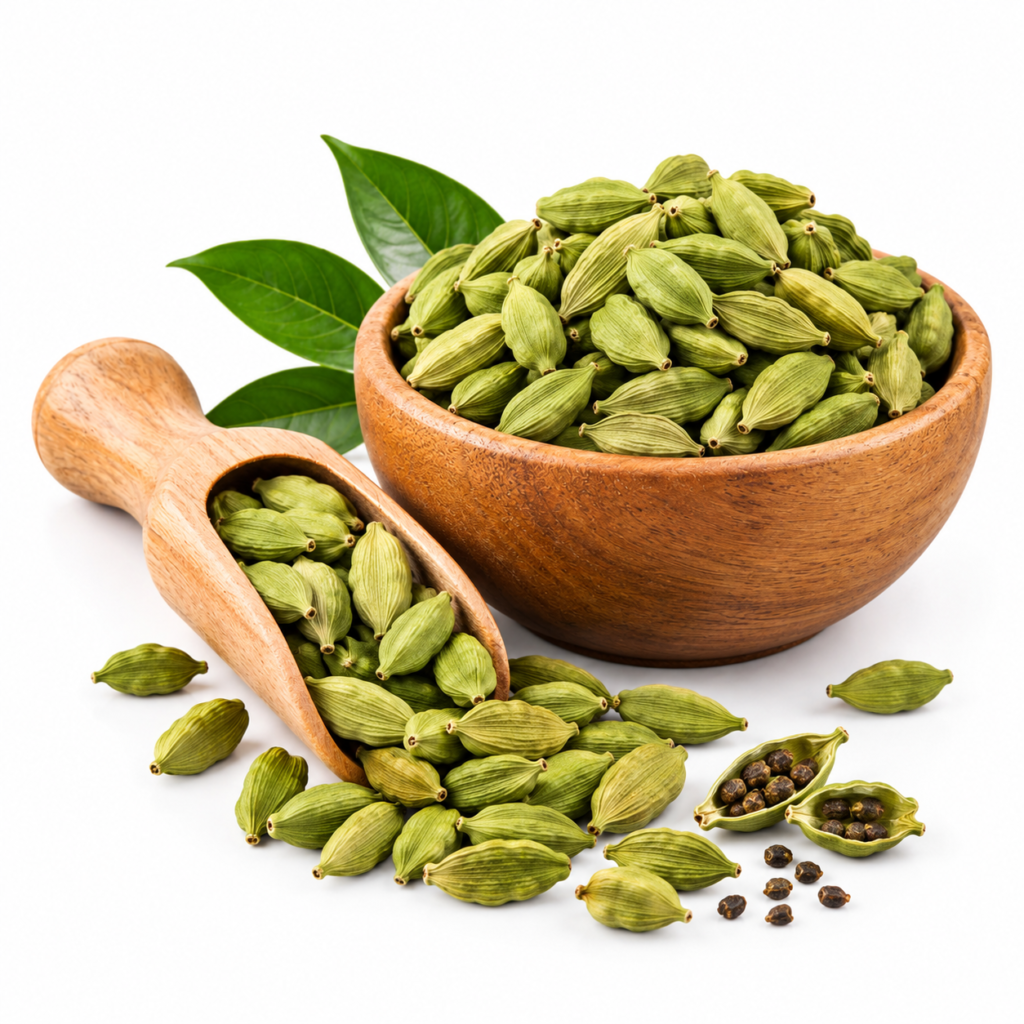
Green cardamom has a sweet and refreshing aroma. It is widely used in biryani, desserts, tea, pulao, and rich Indian gravies.
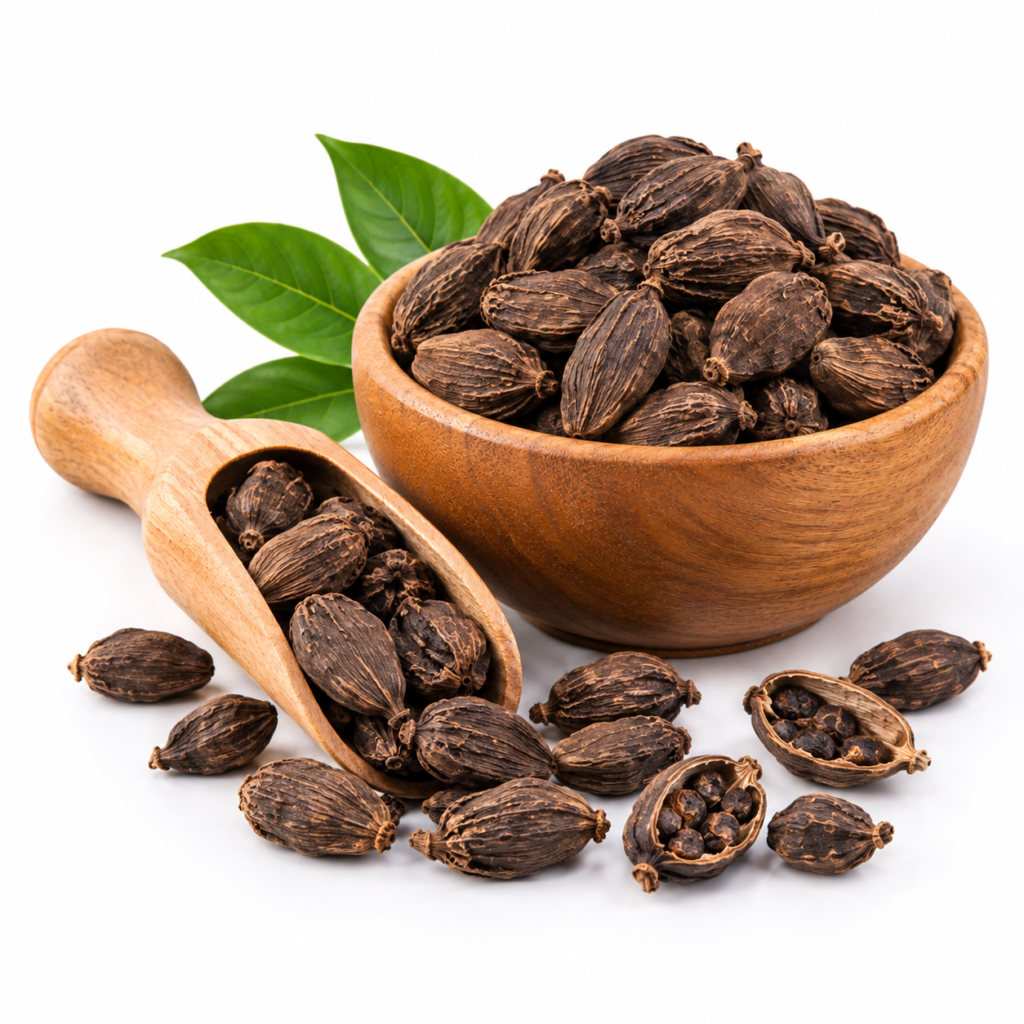
3. Black Cardamom
Black cardamom has a stronger and smokier aroma than green cardamom. It is commonly used in hearty curries, biryani, rajma, and other slow-cooked dishes.
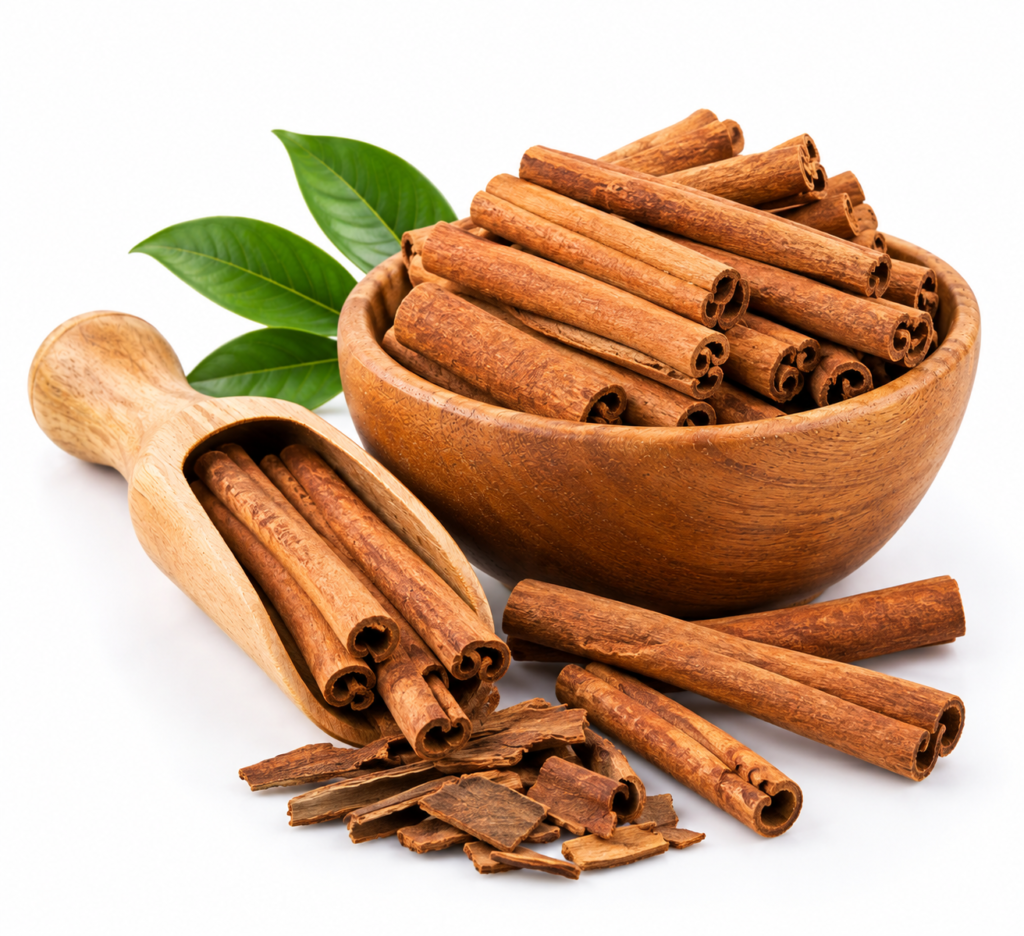
4. Cinnamon
Cinnamon provides a warm, slightly sweet aroma. A small piece of cinnamon can add depth to rice dishes, curries, tea, and desserts.
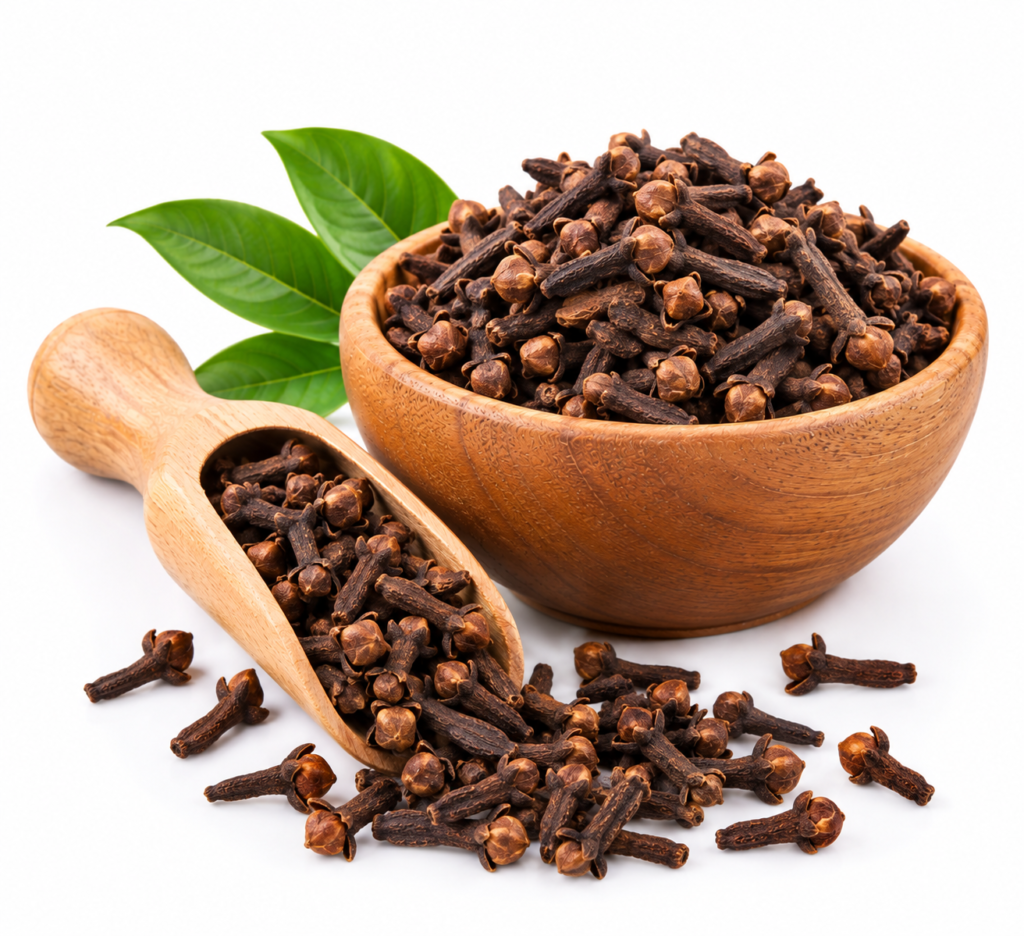
5. Cloves
Cloves have a strong aromatic flavor. They are often added to biryani, pulao, curries, and masala chai.
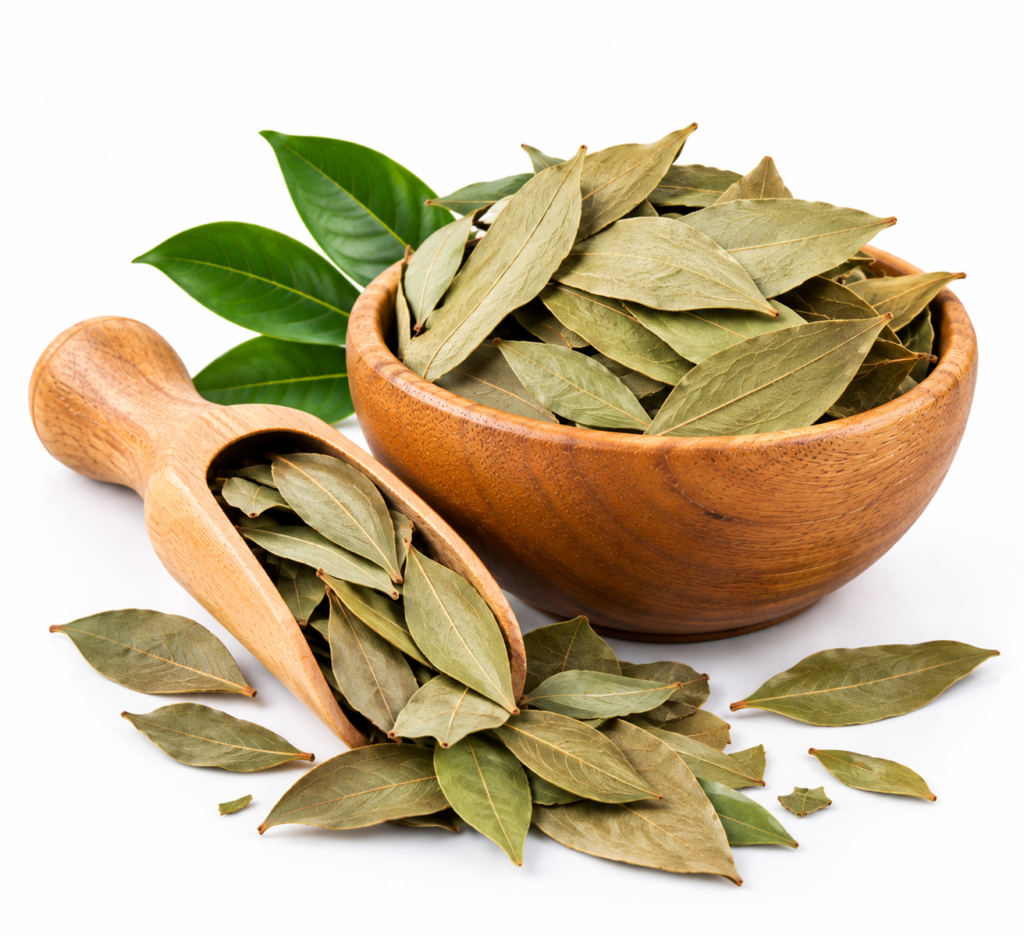
6. Bay Leaf
Bay leaf is frequently used in Indian rice and curry dishes. It contributes a subtle herbal and aromatic flavor.
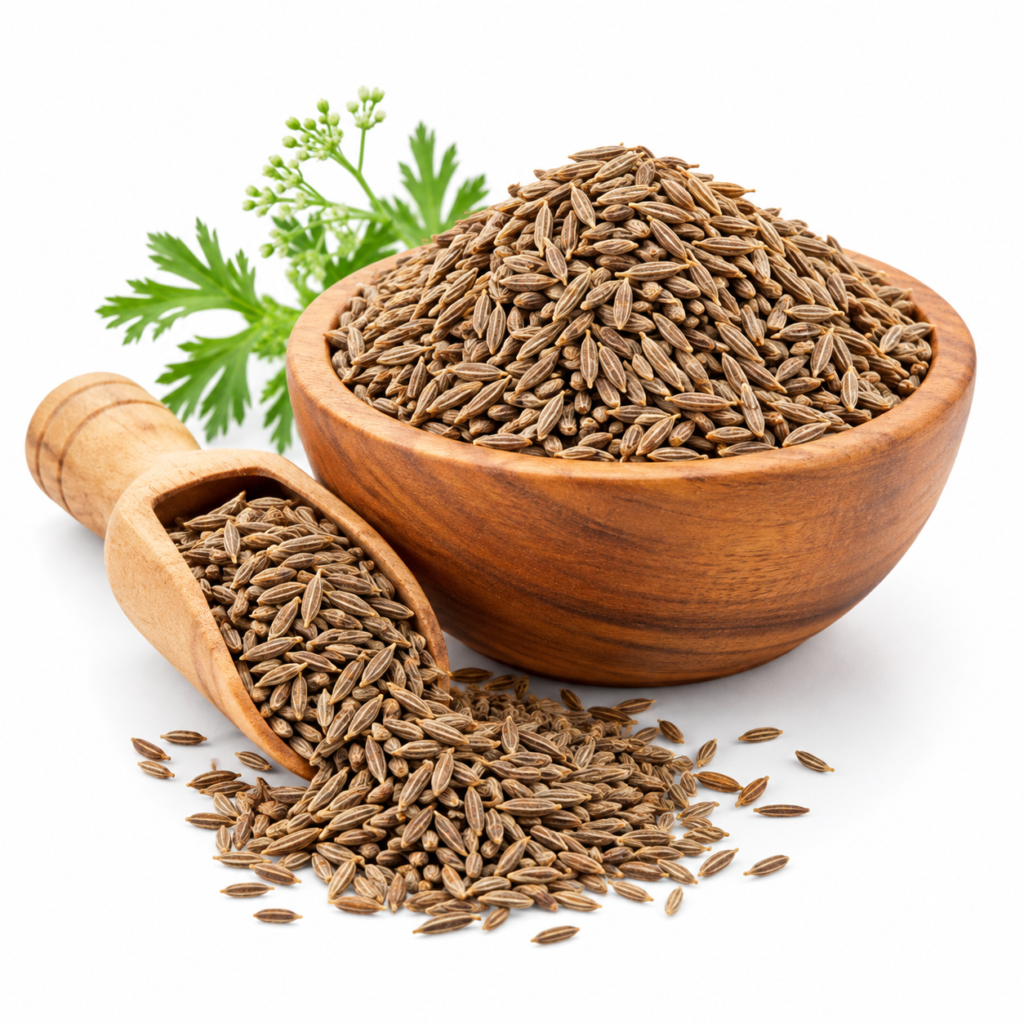
7. Cumin Seeds
Cumin seeds have an earthy and warm flavor. They are commonly used for tempering dal, vegetables, rice dishes, and curries.
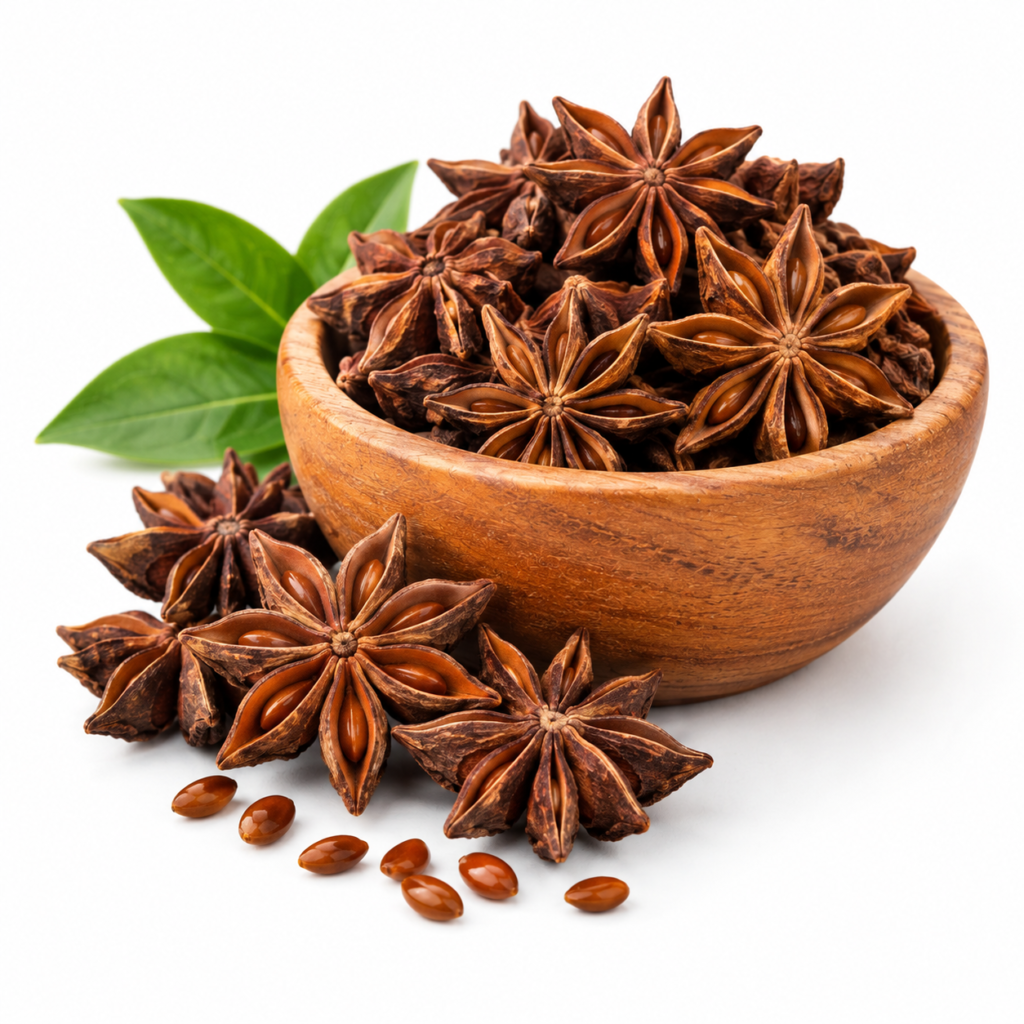
8. Star Anise
Star anise has a distinctive sweet and aromatic flavor. It is particularly popular in biryani, pulao, and some regional spice blends.
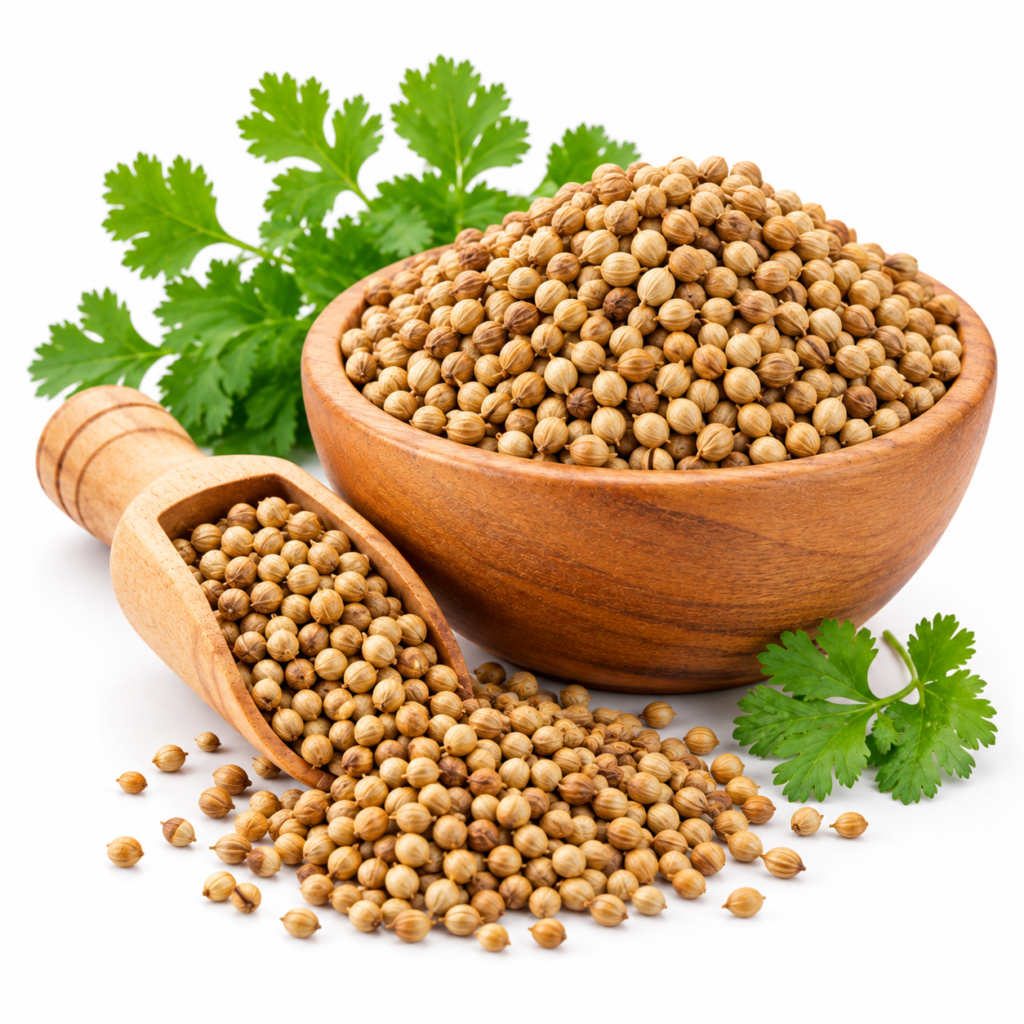
9. Coriander Seeds
Coriander seeds have a mild, citrusy, and earthy flavor. They are used whole in pickles and curries and can also be roasted and ground into homemade spice powder.
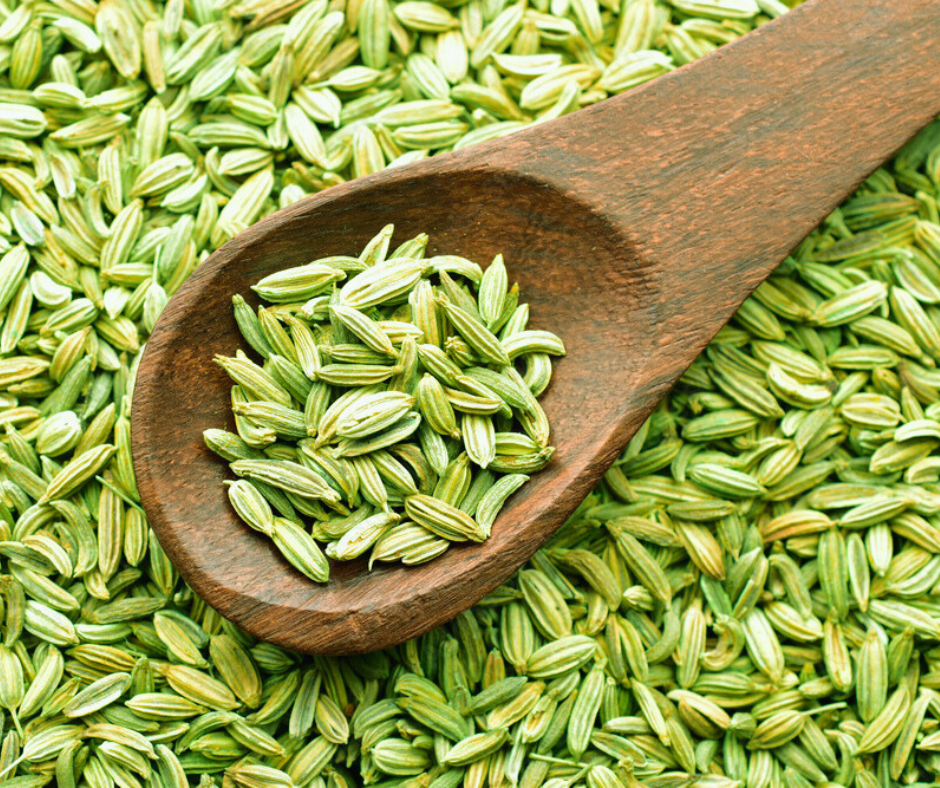
10. Fennel Seeds
Fennel seeds have a naturally sweet and refreshing taste. They can be used in spice blends, curries, pickles, and some traditional dishes.
How to Use Sabut Garam Masale in Cooking
Using sabut garam masale is simple, but the cooking method can make a big difference.
Step 1: Heat Oil or Ghee
Start by heating a small amount of cooking oil or ghee in a pan.
Step 2: Add Whole Spices
Add selected whole spices such as cumin, cinnamon, cloves, cardamom, or bay leaf.
Step 3: Allow the Spices to Sizzle
Let the spices cook for a few seconds. You should notice their aroma becoming stronger.
Step 4: Add Your Main Ingredients
Once the spices become aromatic, add onions, vegetables, rice, meat, lentils, or other ingredients according to your recipe.
Step 5: Cook Slowly
Allow the spices to release their flavor throughout the cooking process. Slow cooking can help create a richer and more balanced taste.
Sabut Garam Masale for Different Indian Dishes
Different dishes work well with different combinations of whole spices.
Sabut Garam Masale for Biryani
Biryani commonly uses spices such as:
- Cinnamon
- Cloves
- Green cardamom
- Black cardamom
- Bay leaf
- Star anise
- Cumin
These spices help create the characteristic aroma associated with biryani.
Sabut Garam Masale for Pulao
For pulao, a simpler combination can work well. Cinnamon, cloves, cardamom, cumin, and bay leaf can add a pleasant aroma without overpowering the rice.
Sabut Garam Masale for Curry
For curries, spices such as cumin, cinnamon, cloves, cardamom, and black pepper can be added according to the recipe.
Sabut Garam Masale for Masala Chai
Some people enjoy adding whole spices such as cardamom, cinnamon, cloves, and black pepper to tea for a warm and aromatic flavor.
Benefits of Using Whole Spices in Cooking
The primary purpose of sabut garam masale is to add flavor and aroma to food. Many whole spices are also traditionally valued for their plant compounds and culinary properties.
Better Flavor Control
Because whole spices can be added individually, you can control the quantity and combination according to your taste.
Fresh Aroma
Whole spices can retain their characteristic aroma until they are crushed or heated, provided they are stored properly.
Useful for Homemade Spice Blends
You can roast whole spices and grind them at home to create your own customized masala powder.
Supports Traditional Recipes
Many Indian recipes are traditionally prepared using whole spices, making them useful for recreating authentic regional flavors.
Note: Spices are culinary ingredients and should not be considered a replacement for medical treatment.
Sabut Garam Masale vs. Powdered Garam Masala
Both whole and powdered spices have their place in the kitchen.
Sabut garam masale are whole spices that can be tempered in oil or ghee. They release flavor gradually and are particularly useful at the beginning of cooking.
Powdered garam masala is generally added later in the cooking process and provides a concentrated blend of spice flavors.
For some recipes, using both can work well. Whole spices create the base aroma, while a small amount of powdered garam masala can provide additional flavor.
How to Store Sabut Garam Masale
Proper storage is important for maintaining the quality and aroma of whole spices.
Keep Spices in Airtight Containers
Use clean, dry, airtight containers to protect spices from moisture and air.
Store Away From Direct Sunlight
Keep your spice containers in a cool, dry cupboard away from direct sunlight.
Avoid Moisture
Always use a completely dry spoon when taking spices from the container.
Buy in Reasonable Quantities
Buying extremely large quantities may not be useful if you do not use them regularly. Smaller quantities can help you maintain freshness.
How to Choose Good-Quality Sabut Garam Masale
When buying sabut garam masale, look for whole spices that appear clean and well-preserved.
Check:
- Aroma
- Appearance
- Cleanliness
- Packaging
- Storage conditions
- Manufacturing and expiry information
- Ingredient information
Whole spices should not have an unusual smell, visible moisture, or signs of contamination.
Choosing properly packaged spices from a reliable source can make a noticeable difference in everyday cooking.
Why Choose TASHIDELAK Sabut Garam Masale?
At TASHIDELAK, our focus is on bringing quality ingredients and traditional-inspired flavors into everyday kitchens. Our approach to sabut garam masale emphasizes carefully selected whole spices that can be used across a variety of Indian recipes.
Whether you are preparing biryani for a family gathering, making a simple pulao, cooking a flavorful curry, or preparing traditional masala chai, whole spices can help add an aromatic touch to your food.
TASHIDELAK aims to make everyday cooking simple, flavorful, and enjoyable with quality spice products.
Frequently Asked Questions About Sabut Garam Masale
What are sabut garam masale?
Sabut garam masale are whole aromatic spices commonly used in Indian cooking. Examples include cinnamon, cloves, cardamom, black pepper, bay leaf, cumin, and star anise.
Which sabut garam masale are commonly used?
Common whole spices include cinnamon, cloves, green cardamom, black cardamom, black pepper, bay leaf, cumin, coriander seeds, fennel, and star anise.
Can sabut garam masale be used in biryani?
Yes. Whole spices are commonly used while preparing biryani. Cinnamon, cloves, cardamom, bay leaf, cumin, and star anise can provide a rich aroma.
Are sabut garam masale better than powdered spices?
They serve different purposes. Whole spices are particularly useful for tempering and slow flavor release, while powdered spices provide concentrated flavor and are convenient for many recipes.
How should I store sabut garam masale?
Store them in airtight containers in a cool, dry place away from direct sunlight and moisture.
Can I make homemade garam masala from whole spices?
Yes. You can lightly roast selected whole spices, allow them to cool, and grind them into a homemade spice blend.
How much sabut garam masala should I use?
The quantity depends on the recipe and personal taste. Start with a small amount and adjust according to the dish.
Conclusion
Sabut garam masale are an essential part of traditional Indian cooking. From cinnamon and cloves to cardamom, black pepper, cumin, and bay leaf, each whole spice brings its own aroma and flavor to the kitchen.
The biggest advantage of using sabut garam masale is their versatility. They can be used in biryani, pulao, curries, dal, vegetables, tea, and many other recipes. With proper storage and careful cooking, whole spices can help you create flavorful and aromatic meals at home.
For anyone who enjoys authentic Indian flavors, keeping a selection of quality sabut garam masale in the kitchen is a simple way to make everyday food more delicious and aromatic. TASHIDELAK brings this traditional-inspired approach to modern kitchens, helping you add rich spice flavors to your favorite recipes.